
A reliable water supply requires more than simply having sufficient water available. The system must also deliver water at the correct flow rate and pressure. In villas, apartment buildings, offices, hotels, schools, shopping centres and other properties, insufficient water pressure can affect the performance of showers, taps, water heaters and other equipment.
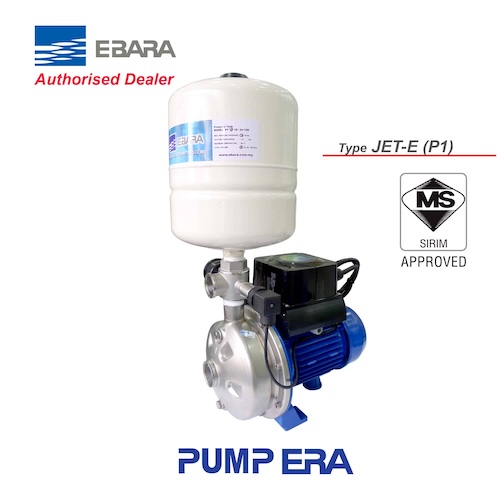
A properly selected booster pump system can increase water pressure and maintain reliable water distribution throughout a building.
This buying guide explains the main factors to consider when choosing a booster pump for residential and commercial buildings in the UAE.
What Is a Booster Pump System?
A booster pump is used to increase the pressure of water when the existing supply pressure is insufficient.
Depending on the building and water demand, a booster system may include:
- Single or multiple water pumps
- Pressure vessel
- Pressure sensor or pressure switches
- Control panel
- Variable Frequency Drive (VFD)
- Isolation and non-return valves
- Pressure gauges
- Suction and discharge manifolds
Modern booster pump sets can automatically respond to changes in water demand, helping maintain consistent pressure throughout the building.
Why Do Buildings Need Booster Pumps?
Low water pressure can occur for several reasons. Building height, inadequate incoming pressure, long pipe runs, high simultaneous demand and friction losses within the piping system can all reduce available pressure.
A booster pump may be required when:
- Upper floors experience low water pressure
- Several fixtures operate simultaneously
- Incoming water pressure is insufficient
- Water is supplied from a ground-level storage tank
- A building requires controlled and constant water pressure
- Existing pumps cannot meet peak demand
Correctly sizing the booster system is essential because both undersized and oversized pumps can cause operational problems.
Residential vs Commercial Booster Pumps
The basic principle is similar, but the required capacity and control arrangement can be very different.
Residential Booster Pumps
Residential applications include:
- Villas
- Townhouses
- Apartment buildings
- Residential compounds
- Small residential developments
A villa may require only a compact single or twin-pump system, while a multi-storey apartment building can require a larger VFD-controlled booster set.
Commercial Booster Pumps
Commercial applications can include:
- Hotels
- Office buildings
- Shopping centres
- Schools
- Hospitals
- Restaurants
- Warehouses
- Mixed-use developments
These buildings often experience larger and more variable water demand. Multiple-pump booster systems are commonly used to provide sufficient capacity and operational redundancy.
1. Determine the Required Flow Rate
One of the first considerations when buying a booster pump is the required flow rate.
Flow can be expressed as:
m³/h, L/s or L/min
The required flow depends on factors such as:
- Number of occupants
- Number and type of plumbing fixtures
- Building usage
- Simultaneous water demand
- Peak consumption periods
For example, a villa with several bathrooms will have a very different peak flow requirement from a hotel containing hundreds of guest rooms.
The booster pump should therefore be selected according to calculated demand rather than simply according to pipe diameter or motor kW.
2. Calculate the Required Pump Head
After determining the required flow, the next step is calculating the required total dynamic head (TDH).
A simplified calculation is:
Total Head = Static Head + Friction Loss + Required Residual Pressure
Static Head
This is the vertical elevation between the pump and the highest or critical water outlet.
As an approximate reference:
10 metres of water column ≈ 1 bar
Friction Loss
Pressure is lost as water travels through:
- Pipes
- Elbows
- Tees
- Valves
- Filters
- Meters
- Other fittings
Longer pipe runs and higher flow velocities generally increase friction losses.
Residual Pressure
The system must still have sufficient pressure available at the final fixture after overcoming elevation and friction losses.
All three factors should be considered when selecting the booster pump.
3. Consider the Building Height
Building height becomes particularly important in multi-storey residential and commercial developments.
A pump supplying upper floors must overcome the vertical elevation while maintaining adequate pressure at the outlets.
However, simply selecting a very high-pressure pump is not always the correct solution.
In taller buildings, engineers may divide the water distribution system into pressure zones to prevent excessive pressure on lower floors.
4. Choose Single or Multiple Pumps
Single Booster Pump
A single pump can be suitable for smaller residential or light-commercial applications with relatively predictable water demand.
Twin Booster Pump
A twin system provides greater flexibility.
The pumps may operate as:
Duty + Standby – one pump operates while the second provides backup.
or
Duty + Assist – the second pump starts when water demand exceeds the capacity of the first pump.
Multi-Pump Booster Set
Larger commercial and residential buildings may require three or more pumps.
The control system can stage pumps according to demand, allowing the booster set to handle both low and peak consumption periods efficiently.
5. Fixed-Speed or VFD Booster Pump?
This is another important buying decision.
Fixed-Speed Booster Pump
A fixed-speed pump operates at its normal motor speed when running.
It can be suitable for applications where water demand is relatively stable.
VFD Booster Pump
A Variable Frequency Drive (VFD) adjusts the motor speed according to water demand.
When demand is low, the pump can operate at a lower speed. When demand increases, pump speed can increase or additional pumps can be activated.
VFD booster systems can offer:
- Constant water pressure
- Better control during changing demand
- Reduced pressure fluctuations
- Lower energy consumption in suitable applications
- Smoother pump operation
- Reduced unnecessary starts and stops
For buildings with significant variations in water consumption, a VFD-controlled booster system is often worth considering.
6. Select the Correct Pump Construction
Pump material should be selected according to water quality and application.
Common construction materials include:
- Stainless steel
- Cast iron
- Bronze
- Engineered composite materials
Stainless-steel vertical multistage pumps are widely used for clean-water pressure boosting because they can provide relatively high pressure within a compact footprint.
Always verify that the selected materials are suitable for the intended water and operating conditions.
7. Check the Pressure Vessel
The pressure vessel is an important component in many booster systems.
Depending on the system configuration, it can help:
- Reduce frequent pump cycling
- Stabilise system pressure
- Absorb pressure variations
- Provide a limited volume of pressurised water
- Reduce mechanical stress on the pump
The vessel should be correctly sized and its pre-charge pressure properly set for the system.
A larger pressure vessel is not automatically better; selection should match the pump and control arrangement.
8. Check the Pump Performance Curve
Never select a booster pump based only on motor horsepower or kW.
The manufacturer’s pump curve shows the relationship between flow and head.
For example, suppose your requirement is:
Flow: 15 m³/h
Head: 50 metres
The selected pump must be capable of delivering approximately 15 m³/h at 50 metres of head.
This point is known as the duty point.
A good pump selection places the normal operating duty within a suitable region of the manufacturer’s performance curve.
9. Don’t Oversize the Booster Pump
Buying a larger booster pump “just in case” can be counterproductive.
An oversized pump may lead to:
- Excessive water pressure
- Higher electricity consumption
- Frequent pump cycling
- Increased noise
- Greater mechanical stress
- Higher initial investment
- Unnecessary pressure-control requirements
Accurate sizing is preferable to simply selecting a larger motor.
10. Consider Energy Consumption
Energy efficiency becomes particularly important in buildings where booster pumps operate for many hours every day.
When comparing systems, consider:
- Pump efficiency
- Motor efficiency
- Number of pumps
- Expected operating hours
- VFD control
- Typical versus peak water demand
The cheapest booster pump to purchase may not necessarily have the lowest lifetime operating cost.
11. Consider UAE Environmental Conditions
Booster pump equipment in the UAE can be exposed to demanding operating environments, especially when installed outdoors or in poorly ventilated pump rooms.
Consider:
- High ambient temperature
- Ventilation
- Dust
- Humidity
- Water temperature
- Electrical-panel protection
- VFD cooling
- Installation accessibility
Providing adequate ventilation around pumps, motors and electrical equipment can help improve system reliability.
12. Check Spare Parts and Service Availability
Before buying a booster pump, consider long-term support.
Check the availability of:
- Mechanical seals
- Bearings
- Motors
- Pressure sensors
- VFDs
- Control-panel components
- Replacement pumps
- Technical service
For commercial buildings in particular, equipment downtime can create significant inconvenience. Local technical and spare-parts support should therefore form part of the purchasing decision.
Which Booster Pump Is Suitable for a Villa?
For a typical villa, selection should be based on the number of bathrooms, floors, occupants, available inlet conditions and required pressure.
A compact single or twin booster system may be sufficient depending on the calculated demand.
Variable-speed pumps can be particularly useful where homeowners want consistent pressure despite changes in water consumption.
Which Booster Pump Is Suitable for an Apartment Building?
Apartment buildings normally have higher and more variable water consumption.
The system may require:
- Twin or multiple pumps
- VFD control
- Pressure vessels
- Automatic pump sequencing
- Duty/assist operation
- Standby capacity
Building height and peak simultaneous demand become critical considerations.
Which Booster Pump Is Suitable for Commercial Buildings?
Hotels, offices, shopping centres and other commercial developments can experience substantial variations in water demand throughout the day.
A properly engineered multi-pump booster set can automatically bring pumps into and out of operation according to demand.
This can provide both capacity and redundancy while maintaining the required system pressure.
Information to Provide Your Booster Pump Supplier
Before requesting a booster pump quotation, provide as much technical information as possible:
- Required flow in m³/h or L/s
- Required head or discharge pressure
- Building height
- Number of floors
- Building type
- Number of occupants or fixtures
- Suction pressure or tank arrangement
- Pipe size
- Electrical supply
- Water temperature
- Preferred number of pumps
- Fixed-speed or VFD requirement
- Duty/standby requirement
If flow and head are unknown, a booster pump supplier in the UAE can use the project information to assist with pump selection, although final system sizing should follow the project’s hydraulic requirements.
Choosing the right booster pump for a residential or commercial building requires careful consideration of flow rate, total head, building height, water demand, pump configuration and control method.
For smaller residential applications, a single or twin booster pump may provide sufficient performance. Larger apartment buildings, hotels and commercial properties may benefit from multi-pump VFD-controlled systems capable of adapting to changing water demand.
Correct sizing is essential. A properly selected booster pump system can provide reliable water pressure, efficient operation and long-term performance while avoiding the problems associated with oversized or undersized pumps. For more info contact Booster Pump Suppliers in UAE or call us at +971 4 2522966.