
Maintaining consistent water pressure is essential for villas, residential buildings, commercial properties, hotels, hospitals, schools and industrial facilities across the UAE. When the available water pressure is insufficient to meet a building’s requirements, a properly selected booster pump system can increase pressure and provide reliable water distribution throughout the property.
Choosing the right booster pump requires more than simply selecting a motor size. Flow rate, required pressure, building height, number of users, pipework, control method and operating conditions all influence pump selection.
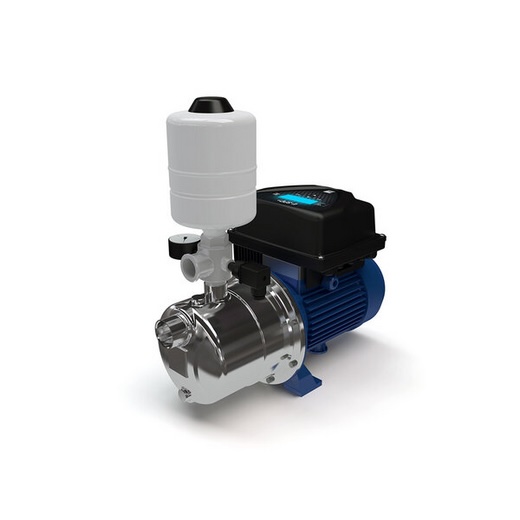
This guide explains the key factors to consider when selecting a booster pump in the UAE.
What Is a Booster Pump?
A booster pump is designed to increase water pressure and maintain sufficient flow within a water supply system. It is commonly installed where the incoming water pressure is too low to serve fixtures or equipment effectively.
Depending on the application, booster systems may consist of:
- A single booster pump
- Twin booster pumps
- Three or more pumps operating in parallel
- Fixed-speed pumps
- Variable-speed (VFD) booster pumps
- Pumps with pressure vessels and control panels
Modern booster systems can automatically adjust pump operation according to changes in water demand.
1. Determine the Required Water Flow
The first step in booster pump selection is determining the required flow rate.
Flow is normally expressed in:
- Litres per second (L/s)
- Litres per minute (L/min)
- Cubic metres per hour (m³/h)
The required flow depends on the type and size of the building, number of occupants, number of water fixtures and expected simultaneous water consumption.
For example, a small villa will generally require considerably less flow than a hotel, apartment tower or large commercial building.
Selecting a pump only according to pipe size or motor power can result in an incorrectly sized system.
2. Calculate the Required Pressure and Head
Once the required flow has been established, the next step is determining the total dynamic head (TDH).
The booster pump must overcome several pressure requirements, including:
Static head: The vertical distance between the pump and the highest water outlet.
Friction loss: Pressure losses created as water passes through pipes, valves, fittings and other components.
Required outlet pressure: The minimum pressure required at the most critical fixture or outlet.
A simplified approach is:
Total Pump Head = Static Head + Friction Loss + Required Residual Pressure
For example, a high-rise building requires substantially more pump head than a single-storey villa because the pump must deliver water to a much greater elevation.
3. Consider Building Height
Building height is one of the most important factors when selecting a booster pump.
As water is pumped upward, pressure is required to overcome elevation. As a general hydraulic approximation:
10 metres of water column ≈ 1 bar
However, this only represents static elevation. Additional pressure must normally be allowed for pipe friction and the pressure required at the final outlet.
Tall buildings may also require pressure zoning rather than using one extremely high-pressure booster system for the entire building.
4. Choose Between Fixed-Speed and VFD Booster Pumps
Booster pumps can operate using fixed-speed or variable-speed controls.
Fixed-Speed Booster Pumps
A fixed-speed pump normally operates at its rated motor speed whenever it is required.
These systems can be suitable for applications where water demand remains relatively predictable.
Variable-Speed Booster Pumps
A VFD booster pump uses a Variable Frequency Drive to adjust motor speed according to system demand.
When demand decreases, the pump can reduce its speed. When demand increases, the system increases pump speed or brings additional pumps into operation.
Potential advantages include:
- More stable water pressure
- Reduced unnecessary pump operation
- Lower energy consumption in variable-demand applications
- Smoother system operation
- Reduced pressure fluctuations
For many modern residential and commercial applications in the UAE, variable-speed booster systems provide an efficient way of maintaining constant pressure.
5. Decide How Many Pumps Are Required
Larger applications often use multiple pumps rather than relying on one large pump.
A typical booster set might use:
Duty + Standby
One pump operates while another is available as backup.
Duty + Assist
The second pump starts when demand exceeds the capacity of the first pump.
Duty + Assist + Standby
This arrangement can provide both additional capacity and redundancy.
Multiple-pump systems are particularly useful in buildings where water consumption changes significantly throughout the day.
6. Check the Pump Material
Pump construction material should be suitable for the water quality and application.
Common materials include:
- Cast iron
- Stainless steel
- Bronze
- Engineered materials
Stainless-steel vertical multistage pumps are widely used in potable water booster applications because they offer good corrosion resistance and efficient operation.
The appropriate material should always be selected according to water characteristics and project specifications.
7. Select the Correct Pressure Vessel
A pressure vessel can be an important component of a booster pump system.
Depending on the system design, it can help:
- Reduce unnecessary pump cycling
- Absorb pressure fluctuations
- Provide a small reserve of pressurised water
- Improve system stability
- Reduce mechanical stress caused by frequent starts
The pressure vessel capacity and pre-charge pressure should be selected according to the booster system design rather than simply choosing the largest available vessel.
8. Consider UAE Operating Conditions
Booster pump equipment installed in the UAE may operate in demanding environmental conditions.
Equipment installed outdoors or in poorly ventilated pump rooms can experience high ambient temperatures. Proper ventilation and suitable motor, electrical panel and VFD specifications should therefore be considered.
Other factors include:
- Pump-room ventilation
- Ambient temperature
- Dust exposure
- Water temperature
- Electrical supply
- Control-panel protection
- Installation location
- Maintenance accessibility
Correct installation conditions can have a significant impact on equipment reliability and service life.
9. Consider Energy Efficiency
Booster pumps may operate frequently, particularly in residential towers, hotels and commercial buildings.
Energy consumption should therefore be considered during pump selection.
Rather than selecting an oversized pump and controlling excess pressure, the pump should ideally operate close to an efficient part of its performance curve under normal conditions.
Variable-speed systems can provide additional savings where demand changes substantially throughout the day.
10. Check the Pump Performance Curve
A booster pump should always be selected using its pump performance curve.
The required flow and head define the system’s operating or duty point.
For example:
Required Flow: 20 m³/h
Required Head: 45 metres
The selected pump should be capable of delivering approximately 20 m³/h at 45 metres of head while operating within an appropriate region of its performance curve.
Motor kW alone does not determine whether a pump is suitable.
11. Avoid Oversizing the Booster Pump
Choosing a larger pump “to be safe” can create problems.
An oversized booster pump may result in:
- Excessive pressure
- Increased energy consumption
- Frequent starting and stopping
- Noise
- Higher initial cost
- Greater stress on pipes and valves
- Poor operating efficiency
Proper hydraulic calculation is usually better than simply increasing the pump size.
12. Consider Maintenance and Spare Parts
The purchase price should not be the only factor when selecting a booster pump.
Consider long-term availability of:
- Mechanical seals
- Bearings
- Motors
- VFDs
- Pressure sensors
- Control components
- Replacement pumps
- Technical support
Selecting equipment with accessible service and spare-parts support in the UAE can reduce downtime and simplify future maintenance.
Booster Pumps for Different UAE Applications
Villas
Residential villas generally require compact booster systems capable of maintaining comfortable pressure at bathrooms, kitchens, showers and outdoor water points.
Apartment Buildings
Apartment buildings may require twin or multi-pump booster sets to accommodate changing water demand.
High-Rise Buildings
High-rise buildings require careful calculation of static head, pressure zones and maximum allowable system pressure.
Hotels
Hotels experience significant variations in water consumption. Variable-speed multi-pump systems can help maintain pressure during both low-demand and peak-demand periods.
Commercial Buildings
Offices, shopping centres and mixed-use developments require booster systems designed around occupancy, fixture demand and operating schedules.
Industrial Applications
Industrial booster pumps may be required for process water, washdown systems, water transfer and other specialised applications. Pump materials and control arrangements should be selected according to the specific process.
Information Required for Booster Pump Selection
Before contacting a booster pump supplier in UAE, it is useful to prepare the following information:
- Required flow rate
- Required pressure or total head
- Building height
- Number of floors
- Type of building
- Number of occupants or fixtures
- Suction conditions
- Pipe size
- Water temperature
- Available electrical supply
- Required number of pumps
- Fixed-speed or VFD preference
If the required flow and pressure are unknown, they should be calculated from the building’s actual water demand and hydraulic conditions.
Why Proper Booster Pump Selection Matters
A correctly selected booster pump system provides reliable water pressure while avoiding unnecessary energy consumption and excessive mechanical stress.
The best system is not necessarily the pump with the highest pressure or largest motor. It is the system that matches the actual flow, head and operating requirements of the application.
Working with an experienced booster pump supplier in the UAE can help ensure the pumps, pressure vessels, controls and accessories are properly matched to the project.
Choosing the right booster pump in the UAE starts with understanding the application’s water demand.
Calculate the required flow rate and total dynamic head, consider the building height and pressure requirements, determine whether fixed-speed or VFD control is appropriate, and select the correct number of pumps for the required capacity and redundancy.
Proper pump sizing can provide consistent water pressure, efficient operation and longer equipment life for residential, commercial and industrial water supply systems throughout the UAE. For more info contact Booster Pump Suppliers in UAE or call us at +971 4 2522966.