
A solar water heater that suddenly stops heating water can be caused by several problems, ranging from dirty solar collectors and poor circulation to thermostat, heating element, pump, or storage tank issues.
In the UAE, solar water heating systems operate under demanding conditions, including high temperatures, dust, sand, and mineral deposits. Over time, these conditions can affect system performance and reduce hot water production.
If your solar water heater is not heating water, identifying whether the problem is related to solar collection, water circulation, storage, or the electric backup heater is the first step toward finding the correct solution.
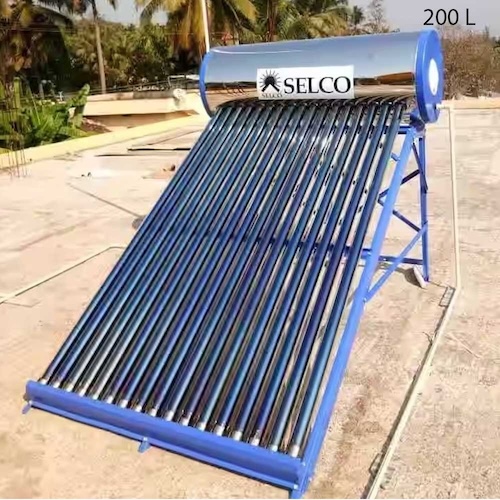
This guide explains the common causes and what you can do about them.
1. Solar Collectors Are Dirty
Solar collectors absorb energy from sunlight and transfer that heat into the solar water heating system.
Dust, sand, and dirt can gradually accumulate on rooftop collectors, particularly in UAE conditions.
Heavy accumulation can reduce the amount of solar energy reaching the collector surface.
Signs of Dirty Solar Collectors
- Water is not getting as hot as before
- Heating takes longer
- System performance has gradually decreased
- Collector surface is visibly dusty or dirty
- Electric backup heating is being used more frequently
What to Do
Inspect the collectors for visible dirt and dust accumulation.
If cleaning is required, it should be carried out using a method suitable for the collector manufacturer’s specifications.
If the collectors are clean but the water remains cold, another component may be causing the problem.
2. There Is Not Enough Solar Energy
Solar water heater performance depends partly on the amount of available sunlight.
Cloudy conditions, seasonal changes, shading, or an obstruction around the collectors can reduce solar heating.
Check for:
- New shading from buildings
- Trees or structures blocking sunlight
- Heavy dirt on collectors
- Objects placed near or over collectors
- Unusual weather conditions
If the problem continues during periods of strong sunshine, the system should be inspected for a technical fault.
3. Circulation Pump Is Not Working
Some solar water heating systems use a circulation pump to transfer heat between the collectors and storage system.
If the pump stops working, the collectors may absorb solar energy while the heat is not transferred effectively to the storage tank.
Common Signs of Pump Failure
- Water remains cold despite strong sunshine
- Pump does not run
- Pump makes unusual noises
- Excessive vibration
- Poor circulation
- Pump is leaking
Possible Causes
- Electrical failure
- Pump motor problem
- Blocked impeller
- Air trapped in the system
- Closed valve
- Control problem
- Internal pump wear
What to Do
A technician should inspect the pump, electrical supply, controls, valves, and circulation path.
A failed circulation pump may require repair or replacement.
4. Air Is Trapped in the System
Air trapped in a pumped solar circuit can interfere with circulation and reduce heat transfer.
Possible symptoms can include:
- Poor heating
- Irregular circulation
- Unusual sounds from pipes
- Pump noise
- Inconsistent system performance
The circulation circuit should be inspected and serviced according to the system manufacturer’s requirements.
5. Solar Water Heater Heating Element Has Failed
Many solar water heaters in the UAE include an electric backup heating element.
The backup heater provides additional heating when solar energy is insufficient.
If the heating element fails, the problem may be particularly noticeable at night, during lower solar input, or during periods of high hot water demand.
Signs of a Faulty Heating Element
- Electric backup heating does not work
- Water remains cold or lukewarm
- Heating takes unusually long
- Electrical protection trips
- Solar heating works but electric backup does not
What to Do
The heating element should be electrically tested by qualified personnel.
If the element has failed or is heavily deteriorated, replacement may be required.
6. Thermostat Is Faulty
The thermostat controls the electric backup heating system.
If it fails, the heating element may not switch on when required.
Possible Symptoms
- No electric heating
- Water remains cold
- Water becomes excessively hot
- Heating stops prematurely
- Temperature changes unexpectedly
What to Do
The thermostat and related electrical components should be tested.
A defective thermostat may need replacement.
7. Scale Buildup Is Affecting Heating
Mineral deposits can gradually accumulate inside hot water system components.
Scale can develop around:
- Heating elements
- Storage tanks
- Pipes
- Valves
- Heat exchangers
- Connections
Heavy scale can reduce heat transfer and affect water circulation.
Signs of Scale Problems
- Water takes longer to heat
- Reduced hot water pressure
- Heating performance gradually decreases
- Unusual noises from the tank
- Heating element requires frequent replacement
What to Do
A professional inspection can determine whether significant scale is present.
Cleaning or descaling may be recommended depending on the system design and manufacturer’s instructions.
8. Temperature Sensor Is Faulty
Some solar water heating systems use temperature sensors to determine when pumps or controls should operate.
A faulty sensor can send incorrect information to the controller.
This can cause the circulation pump or other components to operate incorrectly.
What to Do
The technician should check:
- Temperature sensors
- Sensor wiring
- Controller
- Temperature readings
- Pump control operation
A defective sensor may require replacement.
9. Solar Controller Is Not Working
Pumped solar water heating systems may use an electronic controller to manage circulation.
A controller problem can prevent the pump from operating correctly even when the collectors are receiving sufficient sunlight.
Possible Causes
- Electrical supply problem
- Controller failure
- Incorrect settings
- Sensor problem
- Wiring fault
The controller should be professionally diagnosed before replacement.
10. Valves Are Closed or Restricted
Incorrectly positioned or partially closed valves can restrict circulation through the solar water heating system.
Restrictions can also result from scale, debris, or damaged components.
What to Do
A technician should verify the correct valve positions and check the system for flow restrictions.
Do not adjust unfamiliar safety valves or pressurized components.
11. Storage Tank Has a Problem
Sometimes the collectors and heating components are functioning, but the storage tank cannot retain heat effectively.
Possible tank problems include:
- Damaged insulation
- Internal scale accumulation
- Corrosion
- Leakage
- Incorrect plumbing connections
- Excessive heat loss
Signs of a Tank Problem
- Water heats during the day but cools rapidly
- Hot water does not remain available overnight
- Tank exterior feels unusually warm
- Visible leakage or corrosion is present
A deteriorated storage tank should be professionally inspected to determine whether repair or replacement is appropriate.
12. Hot Water Is Mixing With Cold Water
A faulty mixing valve or plumbing problem can make it appear that the solar water heater is not heating correctly.
The storage tank may contain hot water, but excessive cold-water mixing can reduce the temperature at the taps.
What to Do
A technician should compare the tank temperature with the outlet temperature and inspect the mixing valve and plumbing configuration.
13. Pipe Insulation Is Damaged
The system may be producing hot water correctly but losing excessive heat through poorly insulated pipes.
Outdoor pipe insulation can deteriorate after prolonged exposure to sunlight and weather.
Check for:
- Missing insulation
- Cracked insulation
- Exposed hot water pipes
- Damaged outdoor insulation
Replacing deteriorated insulation can reduce unnecessary heat loss.
14. There Is a Water Leak
A leak can cause heated water to be lost and replaced by cold incoming water.
Common leakage points include:
- Storage tank
- Pipe connections
- Collector connections
- Valves
- Flexible hoses
- Circulation pump
- Relief valves
Visible leaks should be investigated promptly.
If a safety relief valve is continuously discharging, do not block it. The underlying pressure, temperature, expansion, or valve problem should be properly diagnosed.
Solar Water Heater Not Heating – Quick Troubleshooting Checklist
If your solar water heater is not producing hot water, check for:
- Dirty solar collectors
- Insufficient sunlight or shading
- Visible water leakage
- Damaged pipe insulation
- Circulation pump problems
- Closed or restricted valves
- Scale buildup
- Heating element failure
- Thermostat failure
- Temperature sensor problems
- Controller problems
- Storage tank problems
- Mixing valve problems
Basic visual checks may identify an obvious issue, but electrical, pressurized, high-temperature, and rooftop components should be handled by appropriately qualified personnel.
Solar Heating Problem or Electric Heater Problem?
Understanding when the system fails to heat can help narrow down the cause.
If water becomes hot during sunny periods but remains cold when electric backup heating is required, the problem may involve the:
- Heating element
- Thermostat
- Electrical supply
- Wiring
- Backup heater controls
If the electric backup heater works but solar heating does not, possible problems include:
- Dirty collectors
- Circulation pump failure
- Sensor problems
- Solar controller problems
- Air in the circuit
- Restricted flow
- Collector problems
If neither solar nor electric heating works correctly, a complete system inspection is recommended.
When Should You Call a Solar Water Heater Technician?
Professional inspection is recommended if:
- There is no hot water
- Water remains cold despite strong sunshine
- Circulation pump is not operating
- Electric backup heater does not work
- Electrical protection repeatedly trips
- Water is leaking
- System pressure is abnormal
- Tank shows signs of corrosion
- Heating performance suddenly decreases
- The problem continues after basic visual checks
How Regular Maintenance Helps Prevent Heating Problems
Preventive solar water heater maintenance can help identify problems before the system completely stops heating.
Routine maintenance may include:
- Solar collector inspection and cleaning
- Storage tank inspection
- Scale inspection
- Leakage checks
- Circulation pump inspection
- Thermostat testing
- Heating element inspection
- Sensor and controller checks
- Pipe insulation inspection
- Valve inspection
- Temperature and pressure checks
- Overall performance testing
Solar Water Heater Repair and Maintenance in UAE
DXB Solutions LLC provides solar water heater maintenance, troubleshooting, repair, and replacement support for residential and commercial properties across the UAE.
Our services can include:
- Solar water heater troubleshooting
- Solar collector inspection
- Solar water heater maintenance
- Circulation pump inspection and replacement
- Heating element replacement
- Thermostat replacement
- Storage tank inspection
- Leakage troubleshooting
- Pipe insulation inspection
- Hot water pressure troubleshooting
- Solar water heater tank replacement
- Complete solar water heater replacement
If your solar water heater is not heating water, possible causes include dirty collectors, poor circulation, pump failure, scale buildup, heating element failure, thermostat problems, faulty sensors or controllers, damaged insulation, storage tank problems, or water leakage.
If the system heats water using electricity but not solar energy, attention should be given to the solar collection and circulation system. If solar heating works but electric backup heating does not, the heating element, thermostat, and electrical controls should be checked. For more info contact Solar Water Heater Maintenance Dubai in UAE or call us at +971 4 2522966.