
A solar water heater should provide a reliable supply of hot water when it is correctly sized, installed, and maintained. If your system is producing some hot water but not enough for your daily needs, there may be a problem with the solar collectors, storage tank, circulation system, backup heater, plumbing, or overall system capacity.
In the UAE, factors such as dust accumulation, high temperatures, mineral deposits, increased hot water demand, and aging components can gradually affect solar water heater performance.
This guide explains the most common reasons a solar water heater is not producing enough hot water and what can be done to identify and correct the problem.
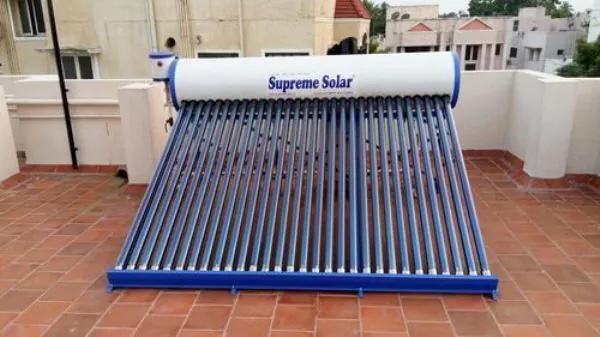
1. Solar Collectors Are Dirty
Solar collectors need direct exposure to sunlight to absorb solar energy efficiently.
In UAE conditions, dust and sand can gradually accumulate on rooftop solar collectors. Heavy dirt buildup may reduce the amount of solar radiation reaching the collector surface.
Signs of Dirty Solar Collectors
- Hot water temperature is lower than before
- Water takes longer to heat
- Performance gradually decreases
- Collectors have visible dust or dirt buildup
- Electric backup heating is required more frequently
What to Do
Inspect the collector surface periodically.
If significant dirt has accumulated, the collectors may require cleaning according to the manufacturer’s recommendations.
If the collectors are clean but heating performance remains poor, further system inspection may be required.
2. Hot Water Demand Has Increased
Sometimes there is nothing mechanically wrong with the solar water heater. The household may simply be using more hot water than the system was originally designed to provide.
This can happen when:
- More people are living in the property
- More bathrooms are being used
- Shower duration has increased
- Additional hot water outlets have been added
- Household routines have changed
- Hot water consumption has increased
What to Do
Compare the storage tank capacity and system output with the current hot water requirement.
If demand consistently exceeds the system capacity, a larger storage tank, additional heating capacity, or system upgrade may need to be considered.
3. Solar Water Heater Is Undersized
Correct sizing is important for any solar water heating system.
If the system was undersized during installation, it may provide sufficient hot water under low-demand conditions but struggle during periods of higher consumption.
Common Signs of an Undersized System
- Hot water is available in the morning but finishes quickly
- The first shower is hot but later showers are cooler
- The problem has existed since installation
- Hot water is insufficient when several people use it consecutively
- The electric backup heater operates frequently
What to Do
The required solar water heater capacity should be calculated based on factors such as the number of users, expected daily hot water demand, storage capacity, collector area, and usage pattern.
4. Scale Buildup Is Reducing Heating Performance
Minerals in the water can gradually create scale deposits inside hot water system components.
Scale can affect:
- Storage tanks
- Heating elements
- Pipes
- Valves
- Heat exchangers
- Connections
Heavy deposits may reduce heat transfer or restrict water circulation.
Signs of Scale Buildup
- Water takes longer to heat
- Hot water quantity appears reduced
- Hot water pressure is lower
- Heating performance has gradually deteriorated
- Unusual noises come from the tank or heating element
What to Do
The system should be inspected for scale accumulation.
Where appropriate, professional cleaning or descaling may restore performance. The correct procedure depends on the system design and manufacturer’s instructions.
5. Storage Tank Is Too Small
The storage tank holds heated water until it is required.
If the tank capacity is too small for the number of users, the available hot water can be consumed quickly even if the solar collectors are operating correctly.
For example, a household’s hot water requirement can change over time as the number of occupants or usage patterns change.
What to Do
Check whether the existing tank capacity is appropriate for current demand.
Tank sizing should consider actual hot water consumption rather than relying only on the number of bedrooms or bathrooms.
6. Heat Is Being Lost Through Poor Pipe Insulation
Hot water can lose a significant amount of heat while travelling through poorly insulated pipes.
Outdoor insulation is especially important because pipes may be exposed to sunlight, weather, and changing temperatures.
Signs of Insulation Problems
- Exposed hot water pipes
- Cracked insulation
- Missing insulation sections
- Water cools rapidly
- Water temperature at the outlet is noticeably lower than expected
What to Do
Inspect accessible hot water and solar-loop pipe insulation.
Damaged or missing insulation should be replaced with a material suitable for the system’s operating temperature and outdoor environment.
7. Circulation Pump Is Not Working Properly
Some solar water heating systems use a circulation pump to move water or heat-transfer fluid between system components.
A pump that is not operating correctly can significantly reduce heat transfer.
Possible Pump Problems
- Pump motor failure
- Blocked impeller
- Electrical fault
- Air trapped in the system
- Closed valve
- Control problem
- Internal wear
Signs of a Circulation Problem
- Collectors appear hot but stored water remains cool
- Pump makes unusual noises
- Pump does not run
- Heating performance suddenly drops
- Hot water circulation becomes inconsistent
What to Do
The circulation system should be inspected by a qualified technician.
The technician can check the pump, electrical supply, valves, controls, flow path, and associated components.
8. Electric Backup Heater Is Not Working
Many solar water heaters include an electric heating element as a backup.
The electric heater can provide additional heating when solar energy alone is insufficient.
If the backup heater fails, the problem may become more noticeable during periods of lower solar input or high hot water demand.
Possible Causes
- Failed heating element
- Faulty thermostat
- Electrical connection problem
- Control failure
- Scale around the heating element
- Electrical protection device operating
What to Do
The electrical backup system should be tested by qualified personnel.
Depending on the diagnosis, the heating element, thermostat, wiring, or control components may require repair or replacement.
9. Thermostat Is Not Working Correctly
A faulty thermostat can prevent the electric backup heater from maintaining the desired water temperature.
Possible Symptoms
- Water remains lukewarm
- Electric heating does not start
- Water temperature fluctuates
- Heating stops too early
- Backup heater behaves inconsistently
What to Do
The thermostat and associated electrical controls should be professionally tested and replaced if defective.
10. There Is a Water Leak
Even a relatively small hot water leak can reduce the amount of heated water available in the storage tank.
Leaks may occur around:
- Storage tank connections
- Pipes
- Valves
- Solar collector connections
- Flexible hoses
- Circulation pumps
- Relief valves
What to Do
Inspect accessible parts of the system for visible water leakage.
If a safety relief valve is continuously discharging, do not simply block it. The system pressure, temperature, expansion arrangement, and valve condition should be professionally checked.
11. Mixing Valve Has a Problem
Some hot water systems use a thermostatic mixing valve to blend hot and cold water to provide a controlled outlet temperature.
If the valve is incorrectly adjusted, blocked, or faulty, the water reaching the taps may feel cooler even though the storage tank contains sufficiently hot water.
What to Do
Have the mixing valve inspected and its operation verified.
Do not increase system temperatures unnecessarily to compensate for a suspected mixing problem.
12. Solar Collector Has a Technical Problem
A collector may look clean from the outside but still have an internal or mechanical problem.
Possible problems include:
- Leakage
- Damaged glazing
- Damaged seals
- Internal blockage
- Poor circulation
- Deteriorated insulation
- Connection problems
What to Do
A professional inspection can determine whether the collector is transferring heat correctly.
13. Storage Tank Is Losing Heat
A properly insulated storage tank should retain heated water for later use.
If the tank insulation has deteriorated or the tank has another problem, stored water may cool faster than expected.
Possible Signs
- Water is hot during the day but much cooler later
- Backup heating runs frequently
- Tank exterior feels unusually warm
- Hot water does not remain available overnight
What to Do
The tank insulation, plumbing connections, circulation arrangement, and overall tank condition should be inspected.
14. Weather and Solar Conditions Have Changed
Solar water heater output naturally depends on available solar energy.
Cloud cover, seasonal changes, shading, or reduced sunlight can temporarily reduce solar heating performance.
A correctly functioning backup heating system should help compensate when solar energy is insufficient.
If poor hot water performance continues even during strong sunshine, the system should be inspected.
How Do You Know If the Problem Is the Solar Heater or the Storage Capacity?
A useful distinction is whether the system has always provided insufficient hot water or whether the problem developed recently.
If hot water has always been insufficient, system sizing or storage capacity may be the issue.
If the system previously produced enough hot water but performance has recently decreased, possible causes include:
- Dirty collectors
- Scale buildup
- Circulation problems
- Heating element failure
- Thermostat failure
- Leakage
- Damaged insulation
- Collector problems
- Storage tank deterioration
This distinction can help technicians diagnose the system more efficiently.
How Can You Improve Solar Water Heater Performance?
Regular preventive maintenance can help maintain reliable hot water production.
Important maintenance measures include:
- Inspect solar collectors regularly
- Clean collectors when necessary
- Check for water leakage
- Inspect storage tank condition
- Check pipe insulation
- Inspect for scale buildup
- Check circulation pumps
- Inspect thermostats and heating elements
- Check safety valves
- Verify system temperature and pressure
- Compare system capacity with actual hot water demand
When Should You Call a Solar Water Heater Technician?
Professional inspection is recommended if:
- The solar water heater suddenly produces less hot water
- Water remains lukewarm despite strong sunshine
- The electric backup heater is not working
- The circulation pump is noisy or not operating
- There is visible leakage
- Hot water pressure has dropped
- The system frequently runs out of hot water
- Electricity consumption has increased unexpectedly
- The storage tank shows signs of corrosion
Electrical, pressurized, high-temperature, and rooftop components should be handled by appropriately qualified personnel.
Solar Water Heater Maintenance and Repair in UAE
DXB Solutions LLC provides solar water heater maintenance, troubleshooting, repair, and replacement support for residential and commercial properties across the UAE.
Our services can include:
- Solar water heater inspection
- Solar collector inspection and cleaning
- Solar water heater troubleshooting
- Storage tank inspection
- Leakage troubleshooting and repair
- Heating element replacement
- Thermostat replacement
- Circulation pump inspection and replacement
- Pipe insulation inspection
- Hot water pressure troubleshooting
- Solar water heater tank replacement
- Complete solar water heater replacement
If your solar water heater is not producing enough hot water, the problem may be caused by dirty collectors, increased hot water demand, insufficient storage capacity, scale buildup, heat loss, circulation problems, backup heater failure, thermostat problems, leakage, or a fault within the solar collector system. For more info contact Solar Water Heater Maintenance Dubai in UAE or call us at +971 4 2522966.