
End suction pumps are widely used in residential, commercial, industrial, HVAC, irrigation, and water supply applications because of their reliability and simple design. However, like any mechanical equipment, they can develop problems over time due to incorrect installation, poor maintenance, improper pump selection, or challenging operating conditions.
Understanding the most common end suction pump problems and their solutions helps reduce downtime, lower maintenance costs, and extend the life of your pumping system.
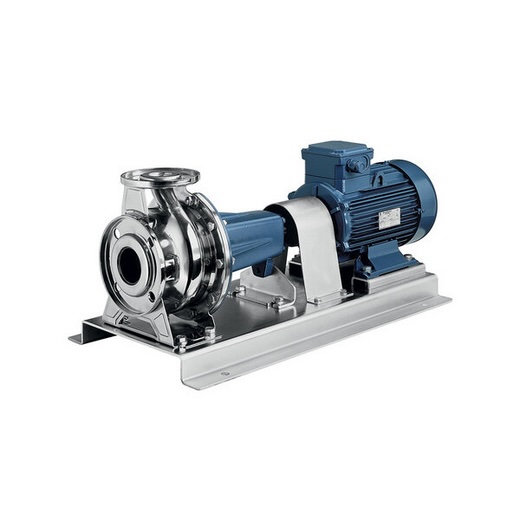
1. Low Water Flow
Symptoms
- Reduced water output
- Low pressure at discharge
- Slow filling of tanks
- Poor system performance
Possible Causes
- Blocked suction strainer
- Clogged impeller
- Air entering the suction pipe
- Incorrect pump sizing
- Low water level
- Partially closed valves
- Worn impeller
Solutions
- Clean the suction strainer.
- Inspect and clean the impeller.
- Remove air leaks from the suction line.
- Fully open isolation valves.
- Maintain adequate water level.
- Replace worn impellers.
- Confirm the pump is correctly sized.
2. Cavitation
Symptoms
- Loud rattling or knocking noise
- Excessive vibration
- Reduced performance
- Pitting on the impeller
- Shortened pump life
Possible Causes
- Insufficient Net Positive Suction Head (NPSH)
- High suction lift
- Blocked suction pipe
- High water temperature
- Excessive flow demand
Solutions
- Increase suction pressure.
- Reduce suction lift.
- Use a larger suction pipe.
- Remove restrictions from the suction line.
- Operate near the Best Efficiency Point (BEP).
- Check that the available NPSH exceeds the pump’s required NPSH.
3. Pump Fails to Prime
Symptoms
- Pump runs but no water flows
- Air trapped inside the casing
- Dry running
Possible Causes
- Air leaks
- Empty suction pipe
- Faulty foot valve
- Damaged mechanical seal
- Pump installed above allowable suction lift
Solutions
- Fill the pump casing before startup.
- Repair air leaks.
- Replace the foot valve.
- Check suction piping.
- Inspect the mechanical seal.
4. Excessive Vibration
Symptoms
- Pump shaking
- Noise during operation
- Loose foundation bolts
- Bearing damage
Possible Causes
- Misalignment
- Worn bearings
- Cavitation
- Pipe strain
- Unbalanced impeller
Solutions
- Realign the motor and pump.
- Replace worn bearings.
- Eliminate cavitation.
- Support the piping correctly.
- Balance or replace the impeller.
5. Pump Noise
Symptoms
- Unusual humming
- Grinding
- Whining
- Knocking sounds
Possible Causes
- Bearing wear
- Cavitation
- Loose components
- Impeller rubbing
- Motor problems
Solutions
- Replace bearings.
- Tighten mounting bolts.
- Check motor alignment.
- Inspect the impeller.
- Correct cavitation issues.
6. Mechanical Seal Leakage
Symptoms
- Water dripping from the seal area
- Wet motor base
- Loss of pressure
Possible Causes
- Worn seal faces
- Dry running
- Excessive vibration
- Shaft damage
- Incorrect installation
Solutions
- Replace the mechanical seal.
- Prevent dry running.
- Check shaft condition.
- Align the pump correctly.
- Reduce vibration.
7. Bearing Failure
Symptoms
- Loud noise
- High vibration
- Bearing overheating
- Increased power consumption
Possible Causes
- Lack of lubrication
- Misalignment
- Contamination
- Excessive load
- Age-related wear
Solutions
- Lubricate according to manufacturer recommendations.
- Replace damaged bearings.
- Correct shaft alignment.
- Keep bearings clean.
- Monitor operating temperature.
8. Motor Overheating
Symptoms
- High motor temperature
- Frequent overload trips
- Burning smell
- Reduced efficiency
Possible Causes
- Overloading
- Low voltage
- Incorrect pump selection
- Bearing friction
- Blocked cooling vents
Solutions
- Verify electrical supply.
- Clean motor ventilation.
- Reduce operating load.
- Replace damaged bearings.
- Confirm proper pump sizing.
9. High Power Consumption
Symptoms
- Increased electricity bills
- High motor current
- Reduced efficiency
Possible Causes
- Oversized pump
- Blocked impeller
- High system resistance
- Incorrect operating point
- Worn hydraulic components
Solutions
- Operate near the Best Efficiency Point (BEP).
- Clean the impeller.
- Reduce unnecessary friction losses.
- Resize the pump if necessary.
- Replace worn components.
10. Water Hammer
Symptoms
- Loud banging in the pipeline
- Pressure surges
- Pipe movement
- Valve damage
Possible Causes
- Sudden valve closure
- Rapid pump shutdown
- Lack of pressure vessel
- Poor system design
Solutions
- Install a pressure vessel.
- Use soft starters or variable frequency drives (VFDs).
- Close valves gradually.
- Install surge protection devices.
Preventive Maintenance Checklist
Routine maintenance significantly reduces unexpected failures.
Regularly:
- Inspect mechanical seals
- Check bearing condition
- Monitor vibration
- Verify discharge pressure
- Check motor current
- Clean suction strainers
- Inspect impellers
- Tighten mounting bolts
- Check shaft alignment
- Lubricate bearings where applicable
- Inspect electrical connections
- Test safety devices
Troubleshooting Summary
| Problem | Common Cause | Recommended Solution |
|---|---|---|
| Low flow | Blocked impeller or air leak | Clean impeller and repair suction leaks |
| Cavitation | Low suction pressure | Improve suction conditions |
| Pump won’t prime | Air trapped in pump | Prime pump and repair air leaks |
| Excessive vibration | Misalignment or worn bearings | Realign and replace bearings |
| Pump noise | Cavitation or bearing wear | Eliminate cavitation and inspect bearings |
| Seal leakage | Worn mechanical seal | Replace seal and check shaft |
| Bearing failure | Poor lubrication | Lubricate or replace bearings |
| Motor overheating | Overload or low voltage | Verify electrical supply and operating conditions |
| High power consumption | Incorrect sizing | Operate near BEP and optimize system |
| Water hammer | Sudden pressure changes | Install pressure vessel and surge protection |
How to Prevent End Suction Pump Problems
Following good engineering and maintenance practices will maximize pump performance:
- Select the correct pump based on flow and Total Dynamic Head (TDH).
- Install the pump on a rigid, level foundation.
- Use properly sized suction and discharge piping.
- Avoid air leaks in the suction line.
- Operate the pump close to its Best Efficiency Point (BEP).
- Carry out regular preventive maintenance.
- Monitor vibration, temperature, and pressure.
- Use genuine spare parts during repairs.
Why Choose Ebara End Suction Pumps?
Ebara end suction pumps are designed for dependable performance in demanding environments. Their high hydraulic efficiency, durable construction, and precision engineering make them suitable for commercial buildings, industrial facilities, HVAC systems, irrigation, and water treatment applications.
Why Buy from DXB Solutions LLC?
DXB Solutions LLC supplies genuine Ebara End Suction Pumps throughout the UAE and provides complete pump solutions, including:
- Genuine Ebara pumps
- Professional pump selection
- Technical consultation
- Installation support
- Genuine spare parts
- Preventive maintenance
- Repair services
- Fast delivery across the UAE
- Competitive pricing
Most end suction pump failures can be prevented through correct pump selection, proper installation, and routine maintenance. By understanding common issues such as cavitation, seal leakage, vibration, overheating, and low flow, operators can quickly identify problems, minimize downtime, and extend the service life of their pumping systems.
Partnering with an experienced supplier like DXB Solutions LLC ensures access to expert advice, genuine products, and reliable after-sales support for all your end suction pump requirements. For more info contact Ebara Pump Suppliers in UAE or call us at +971 4 2522966.