
A pressure vessel is an important component of a booster pump system, helping maintain stable water pressure, reduce frequent pump starts and stops, and improve the overall operation of the pumping system. Selecting the correct vessel capacity and pressure rating is therefore important for residential, commercial and industrial water supply applications.
Wates pressure vessels are available in different capacities and pressure ratings to suit a wide range of booster pump installations. This guide explains the main factors to consider when selecting a Wates pressure vessel for a booster pump system.
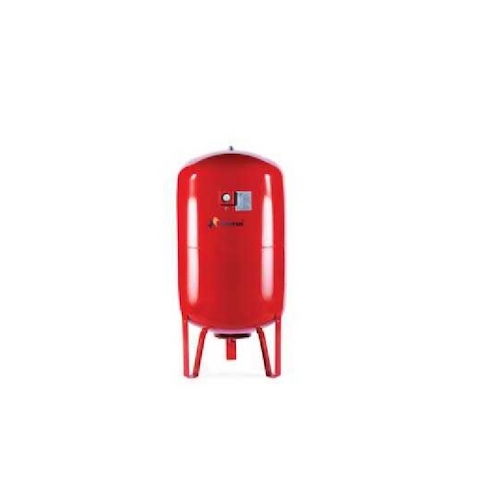
What Is a Wates Pressure Vessel?
A Wates pressure vessel is designed to store water under pressure using an internal air cushion and membrane or bladder arrangement.
When the booster pump operates, water enters the vessel and compresses the air inside. When there is water demand, the compressed air pushes stored water back into the system.
This allows a certain amount of water to be supplied without immediately starting the pump.
Why Is a Pressure Vessel Used with a Booster Pump?
A properly selected pressure vessel can provide several benefits:
- Reduces frequent pump starting and stopping
- Helps maintain stable system pressure
- Provides a small reserve of pressurized water
- Reduces pressure fluctuations
- Helps reduce mechanical and electrical stress on the pump
- Can improve the operating life of pumps and associated components
- Supports smoother booster pump operation
The correct vessel size becomes particularly important in systems where water demand changes frequently.
How Does a Wates Pressure Vessel Work?
The vessel contains water and compressed air separated by a flexible membrane or bladder.
When the pump starts, water is pumped into the vessel. As the water volume increases, the air is compressed and pressure rises.
Once the system reaches the pump’s stop pressure, the pump switches off.
When a tap or other outlet is opened, the compressed air forces water out of the vessel. The pump does not need to restart until the system pressure falls to the configured start pressure.
This operating cycle helps reduce unnecessary pump starts.
How to Choose the Right Wates Pressure Vessel
Several factors should be considered rather than selecting a vessel based only on its nominal litre capacity.
1. Booster Pump Flow Rate
Determine the flow rate of the booster pump, normally expressed in:
- Litres per minute (L/min)
- Litres per second (L/s)
- Cubic metres per hour (m³/h)
Higher pump flow rates can require larger vessels, depending on the control method and required minimum pump run time.
2. Pump Start and Stop Pressure
The cut-in and cut-out pressure settings affect how much usable water—or drawdown—the pressure vessel can provide.
For example, a booster system might operate between:
Pump start pressure: 3.0 bar
Pump stop pressure: 4.5 bar
The vessel’s actual usable water volume will be considerably lower than its total nominal capacity.
Therefore, a 100-litre pressure vessel does not normally provide 100 litres of usable water between pump cycles.
3. Required Vessel Capacity
Wates pressure vessels are available in various capacities for different applications.
Typical sizes can include:
100 L – 200 L: Smaller booster systems and applications with moderate demand.
300 L – 500 L: Medium-sized residential and commercial booster systems.
750 L – 1000 L: Larger booster systems with higher water demand.
1500 L and larger: Large commercial and industrial pumping installations where system design requires greater storage or drawdown capacity.
The final selection should be calculated according to the actual pump and system operating conditions.
10 Bar vs 16 Bar vs 25 Bar Wates Pressure Vessels
Pressure rating is another critical selection factor.
Wates 10 Bar Pressure Vessel
Suitable for booster systems whose maximum operating and transient pressures remain safely within the vessel’s permitted working pressure.
Typical applications can include conventional building water supply and booster systems.
Wates 16 Bar Pressure Vessel
A higher pressure rating may be required for systems operating at elevated pressures, including some multi-storey and commercial installations.
Wates 25 Bar Pressure Vessel
High-pressure vessels are intended for applications where the system design requires significantly higher pressure capability.
Important: The pressure rating should never be selected solely according to building height. Maximum pump shut-off pressure, static pressure, control settings, pressure surges and the complete system design must be considered.
Understanding Pressure Vessel Drawdown
One of the most important concepts when selecting a pressure vessel is drawdown.
Drawdown is the amount of usable water that can be delivered from the vessel between the pump’s stop pressure and restart pressure.
For example:
Nominal vessel volume: 300 litres
Usable drawdown: Less than 300 litres
The exact drawdown depends on factors including:
- Pre-charge pressure
- Pump cut-in pressure
- Pump cut-out pressure
- Vessel design
- Operating conditions
This is why pressure vessel selection should not be based simply on matching vessel litres to required water litres.
Correct Pre-Charge Pressure
Correct air pre-charge is essential for proper pressure vessel operation.
For many conventional pressure-switch-controlled systems, the pre-charge is normally set slightly below the pump cut-in pressure, following the vessel and system manufacturer’s recommendations.
For example, if the pump starts at approximately 3 bar, the required pre-charge may be set below that value according to the specific system design.
Pre-charge should generally be checked with the water side depressurized so that an accurate reading can be obtained.
Incorrect pre-charge can cause:
- Reduced usable water volume
- Frequent pump cycling
- Unstable pressure
- Poor vessel performance
- Increased stress on the membrane
Always follow the applicable manufacturer’s instructions when setting the vessel pressure.
Wates Pressure Vessel for VFD Booster Pumps
Variable Frequency Drive (VFD) booster systems control pump speed to maintain a target pressure.
These systems may still use pressure vessels, but their sizing requirements can differ significantly from traditional pressure-switch-controlled booster systems.
The vessel can help:
- Absorb small water demands
- Stabilize pressure
- Reduce unnecessary pump starts
- Assist during transient pressure changes
- Improve overall system response
A VFD booster system should therefore have its vessel selected according to the pump manufacturer’s control requirements and hydraulic design rather than simply using conventional pressure-switch sizing rules.
Single, Twin and Triple Booster Pump Systems
Single Pump Booster Set
A pressure vessel can provide drawdown and reduce the number of starts during small or intermittent water demands.
Twin Booster Pump Set
The vessel works alongside the pump controller to help maintain system pressure while the pumps stage according to demand.
Three-Pump Booster Set
Larger booster systems may use a pressure vessel together with VFD or staged pump controls. Correct vessel sizing and control settings are particularly important for maintaining stable system operation.
Common Pressure Vessel Selection Mistakes
Avoid these common mistakes when selecting a Wates pressure vessel:
- Choosing only by tank capacity
- Ignoring pump flow rate
- Selecting an inadequate pressure rating
- Incorrect pre-charge setting
- Ignoring pump start/stop pressure
- Assuming total vessel capacity equals usable water capacity
- Using conventional sizing rules for a VFD system without checking the controller requirements
- Selecting a vessel without considering maximum system pressure
Information Required for Pressure Vessel Selection
Before selecting a Wates pressure vessel, it is useful to have the following information:
| Parameter | Information Required |
|---|---|
| Pump flow | m³/h or L/min |
| Pump head | metres or bar |
| Number of pumps | Single / Twin / Triple |
| Control | Pressure switch / VFD |
| Cut-in pressure | bar |
| Cut-out pressure | bar |
| Maximum system pressure | bar |
| Application | Villa / Building / Hotel / Commercial / Industrial |
| Required vessel pressure rating | 10 / 16 / 25 bar as applicable |
Providing these details makes pressure vessel selection much more accurate.
Wates Pressure Vessel Supplier in UAE
DXB Solutions LLC supplies Wates pressure vessels for booster pump and water pressure systems in the UAE, with different capacities and pressure ratings available for residential, commercial and industrial applications.
Our team can assist with pressure vessel selection based on pump capacity, operating pressure, booster configuration and application requirements.
For a suitable Wates pressure vessel selection, provide the pump flow, pump head, start/stop pressure, number of pumps and required pressure rating.
Choosing the correct Wates pressure vessel is an important part of designing a reliable booster pump system. Vessel capacity, pump flow, operating pressure, pre-charge pressure, control method and maximum system pressure should all be considered before making a selection.
A correctly selected pressure vessel can help reduce pump cycling, stabilize water pressure and support efficient booster pump operation. For more info contact Wates Pressure Vessel Supplier in UAE or call us at +971 4 2522966.